




Why Formulators Are Quietly Swapping Quercetin for Taxifolin 98% (And How to Buy It Right)
Let's clear something up right away. If your brand is still trying to force generic Quercetin into high-end immune or skin formulas, you are fighting an uphill battle with solubility and oxidation. I write these notes directly from our botanical extraction floor, and today I want to talk about the industrial fix: Taxifolin (Dihydroquercetin). We'll look at why those two extra hydrogen atoms matter, how it acts as a bodyguard for Vitamin C, and why relying on UV testing for Larch extracts will get you scammed.
The Bench Reality: Quercetin is cheap, and everybody knows the name. But ask any chemist who has tried to formulate a stable liquid or a high-absorption capsule with it, and they'll groan. Standard Quercetin is a flat molecule. It loves to stack together into tight, stubborn crystals that the human gut struggles to break down.
Contract manufacturers who know what they are doing eventually upgrade to Taxifolin (Dihydroquercetin or DHQ). It is extracted from the tough, resinous stumps of the Siberian Larch tree (Larix gmelinii). It costs more, but it actually behaves in a formulation. Let's look at the chemistry that makes it worth the price tag.
1. Quercetin vs. Dihydroquercetin: The "Two Hydrogen" Difference
I see purchasing teams treat these two ingredients like they are interchangeable. They aren't. The difference literally comes down to two hydrogen atoms, and it changes everything about how the molecule works.
The Molecule is Bent, Not Flat
Standard Quercetin has a double bond in its middle ring, which forces the whole molecule to be flat (planar). Because it's flat, the molecules stack tightly together, making them incredibly hard to dissolve. Taxifolin (Dihydroquercetin) has two extra hydrogen atoms that break that double bond. This gives the molecule a 3D "bend," preventing it from stacking tightly and making it much friendlier to cellular lipid membranes.
It Doesn't Turn Pro-Oxidant
Under heavy oxidative stress, standard Quercetin can actually flip and become a pro-oxidant (causing damage instead of preventing it). Because Taxifolin lacks that specific double bond, it is structurally locked. It remains a safe, highly potent free-radical scavenger even in harsh cellular environments.
2. Reading the COA Like a Manufacturer
When you pull our Certificate of Analysis for Taxifolin 98% Powder, you shouldn't just look at the big "98%" at the top. You need to know exactly what you are reading.
| What it says on the COA | What happens in your mixing tank |
|---|---|
| Assay: ≥ 98.0% (HPLC) | You are getting the isolated active flavonoid. If they don't specify HPLC, they might be padding the test with generic plant resins. |
| Origin: Larix gmelinii | Real DHQ comes from Larch wood. If the source is blank, you are likely buying cheap, repurposed citrus bioflavonoids. |
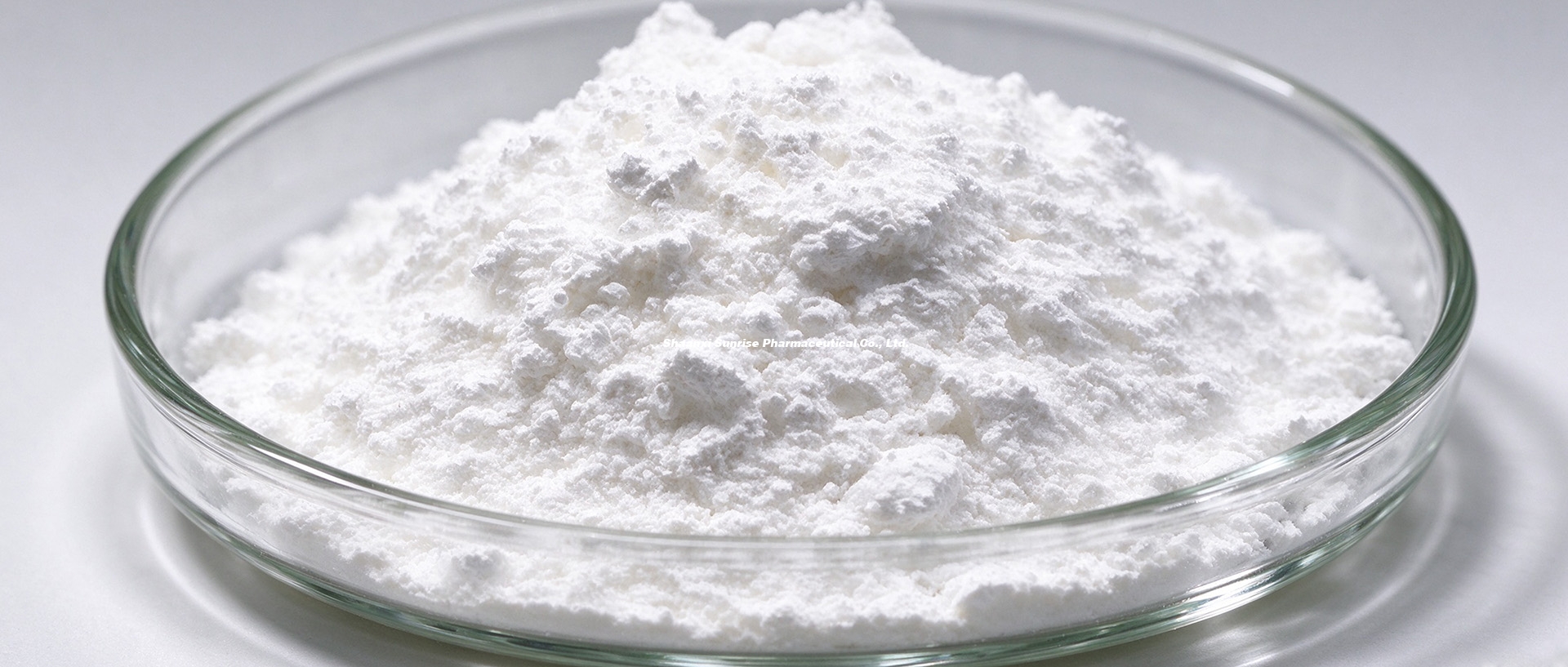
| Color: Yellowish/Off-White | It should have a natural, very pale yellow tint. If someone hands you a blindingly snow-white powder, it has likely been chemically bleached. |
| Loss on Drying: ≤ 5.0% | The powder is bone dry. High moisture means it will cake up in your hoppers and ruin your capsule weights. |
⚠️ Formulator's Workbench: The Vitamin C Hack
Here is the open secret in the contract manufacturing world. Ascorbic acid (Vitamin C) is notoriously unstable and degrades rapidly. Taxifolin is the ultimate bodyguard for it. Taxifolin acts as a sacrificial electron donor, preventing Vitamin C from oxidizing and turning your serums or liquid shots brown. If you are building a premium Vitamin C formula, dropping in a micro-dose of Taxifolin 98% will extend your product's shelf life dramatically.
3. Where We Actually See It Used
Because it is stable and highly bioavailable, Taxifolin 98% moves heavy volume in three specific formulation sectors right now:
Premium Immune Stacks: It has largely replaced generic quercetin in high-end respiratory and immune-defense capsules, usually stacked with Vitamin C and Zinc.
Microcirculation Formulas: Used heavily in capillary-protecting (capillaroprotective) supplements aimed at cardiovascular health.
Dermatological Serums: Advanced skincare labs use it to scavenge UV radicals while simultaneously stabilizing the serum's Vitamin C content.
4. How to Audit a Supplier Without Getting Scammed
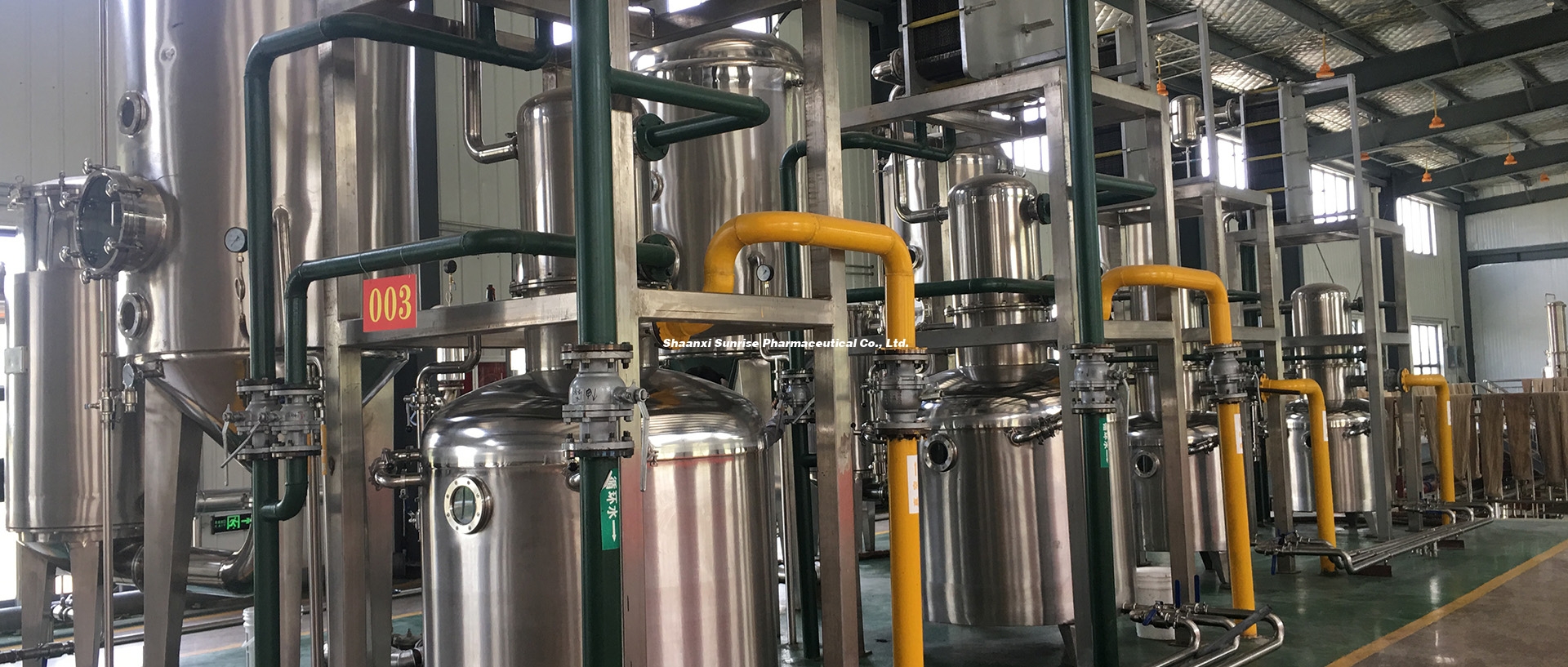
Extracting a 98% pure flavonoid from a tree stump is tough industrial work. Unscrupulous brokers cut corners all the time. Run this checklist before you sign a PO.
Throw Away UV Test Reports
UV spectrophotometry cannot accurately distinguish Dihydroquercetin from cheaper flavonoids. If a broker hands you a UV test to prove 98% purity, throw it in the trash. The document must explicitly say HPLC (High-Performance Liquid Chromatography).
Check the Heavy Metals (Seriously)
Larch trees live for decades in the forest, and their root systems suck up everything in the soil. The extraction process must aggressively filter out heavy metals. Look closely at the Lead, Arsenic, and Cadmium lines on the COA.
Ask About the Solvent
We use food-grade ethanol and water to pull the extract. Some sketchy factories use methanol or acetone to speed things up. If they do, they better prove every drop of it was vacuumed out of the final crystal.
Test Their Scalability
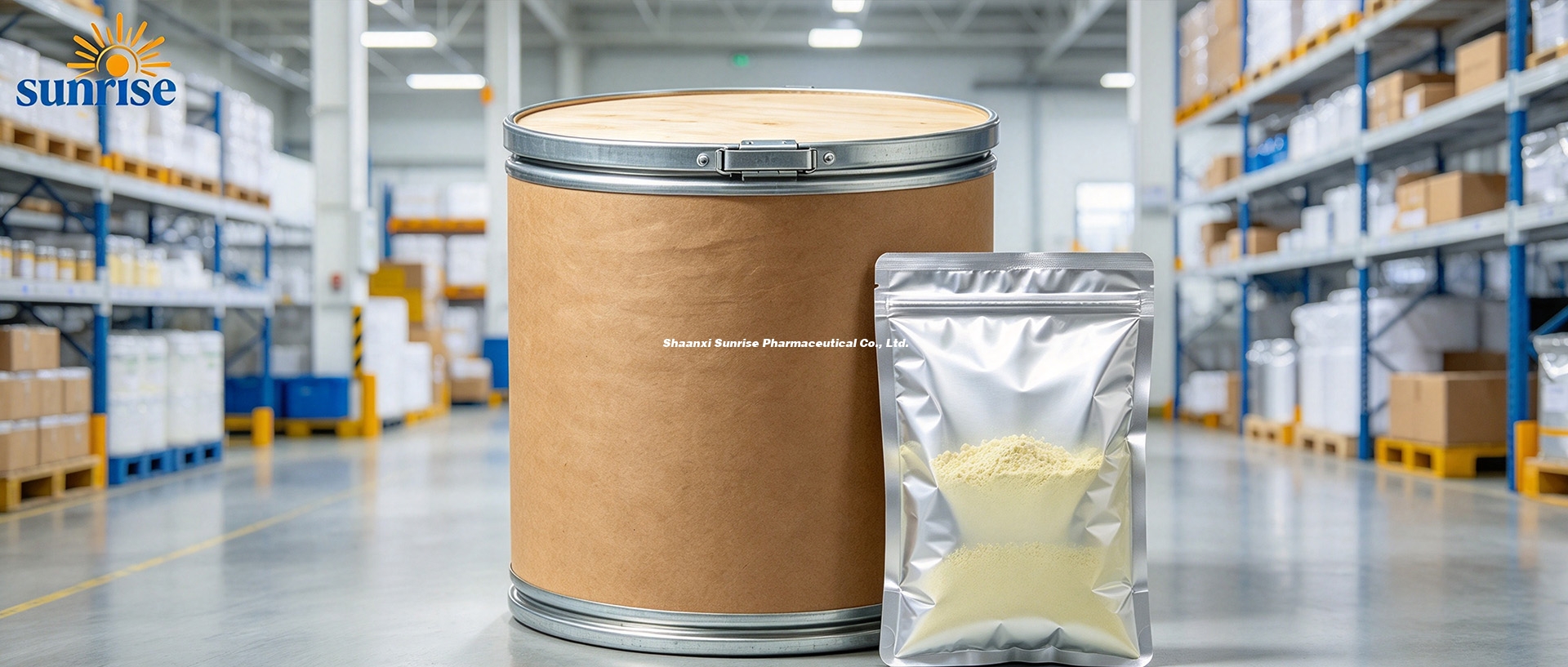
We supply 1 kg foil bags for bench testing and 25 kg fiber drums for full production runs. If your supplier starts sweating when you ask for 500 kilos, they are just a middleman. Lock down lead times early.
Answers to the Most Common R&D Questions
Is Taxifolin just another trade name for Quercetin?
No. Taxifolin is Dihydroquercetin (DHQ). It has two extra hydrogen atoms that change its 3D physical shape. This makes DHQ generally more bioavailable and much more stable against oxidation than standard Quercetin.
Can I just stir this into cold water for a functional drink?
No. Like almost all pure flavonoids, Taxifolin is lipophilic (fat-soluble). It hates cold water. If you are making a liquid shot, you need to pre-dissolve it in propylene glycol, ethanol, or use a proper emulsification system.
Why isn't the powder completely white?
At 98% purity, real Dihydroquercetin naturally has a pale yellowish to off-white tint. If someone sells you a batch that looks like bright white printer paper, it has likely been chemically bleached or cut with synthetic fillers.
Do you sell finished immune-support capsules?
No. We are an upstream B2B extraction factory. We process Larch wood and supply the bulk 98% powder to brands and contract manufacturers. We do not make retail finished goods.
Ready to Stop Fighting with Standard Quercetin?
If you are building a formula that requires actual bioavailability and strict antioxidant stability, it is time to look at Larch-derived Dihydroquercetin. Check the exact biochemical specifications on our product page, or hit up our procurement desk for HPLC reports and samples.
View Product Specs & Request Sample